

Wood façades are for me one of the most beautiful ways to give a building character.
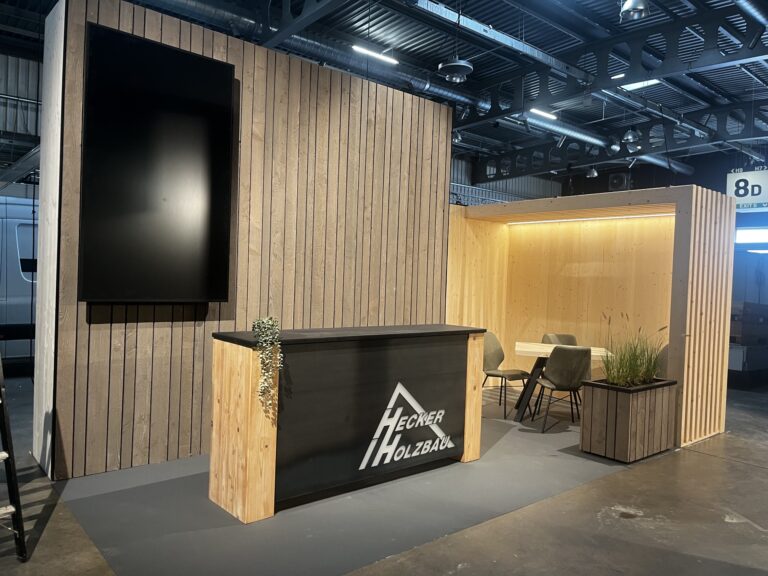
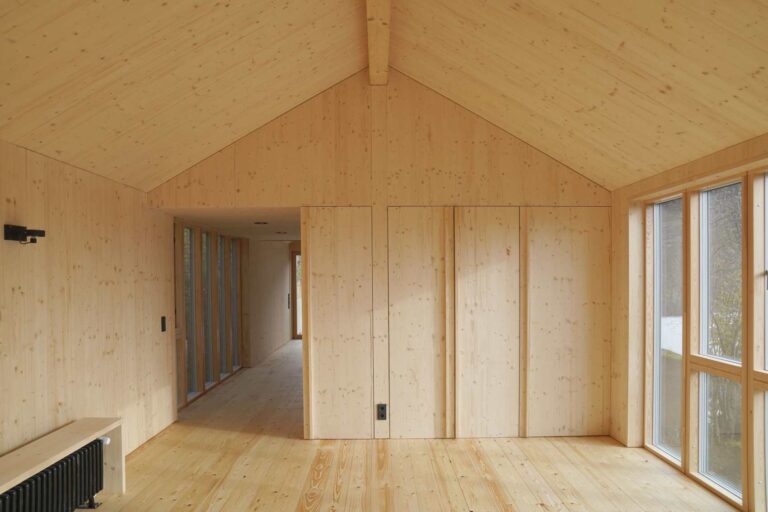
I especially like wood when it also looks like wood.
Sawdust surfaces, different widths, or natural graying can give a building a very calm and high-quality effect.
Wood changes
However, one must be aware of this.
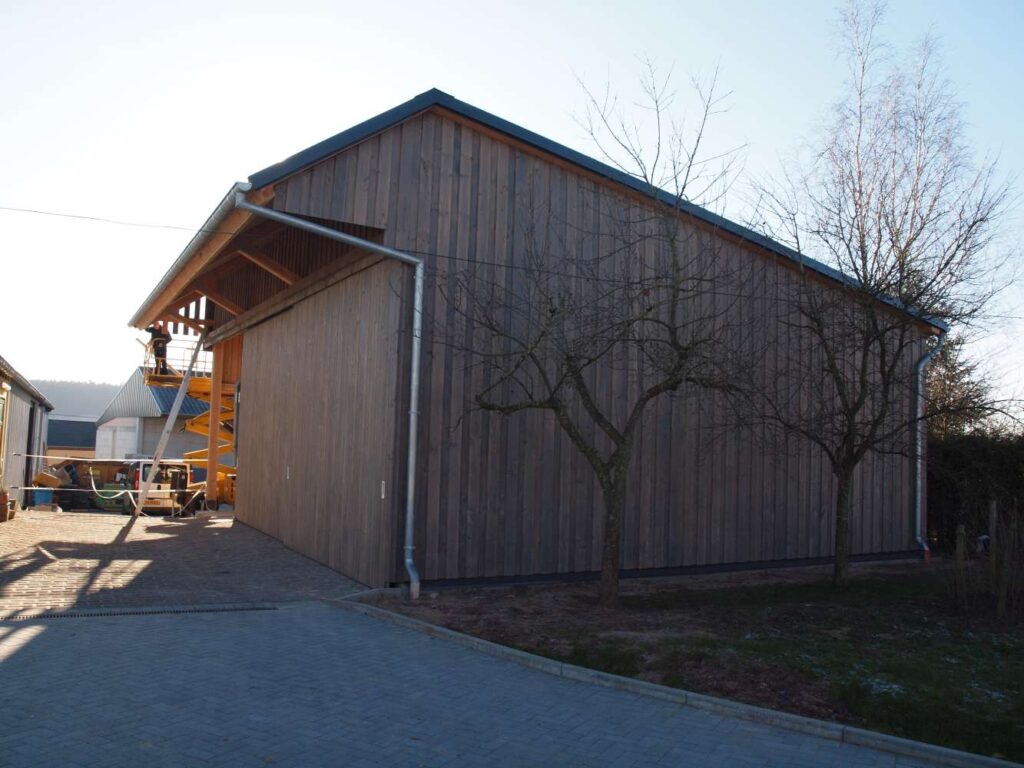
An untreated wooden facade does not remain the same as it looks on the first day. Sun, rain and weathering change the surface.
The wood turns grey – and that’s completely normal for now.
However, depending on the orientation of the building, this happens at different speeds. Areas protected remain dark for longer, while more heavily weathered surfaces turn grey more quickly.
Anyone who wants a more uniform finish from the outset can therefore work with pre-coated or corresponding coated surfaces.
The design is more important than the color
But when it comes to a wooden facade, I’m not just interested in how it looks.
What is much more important is how it is built.
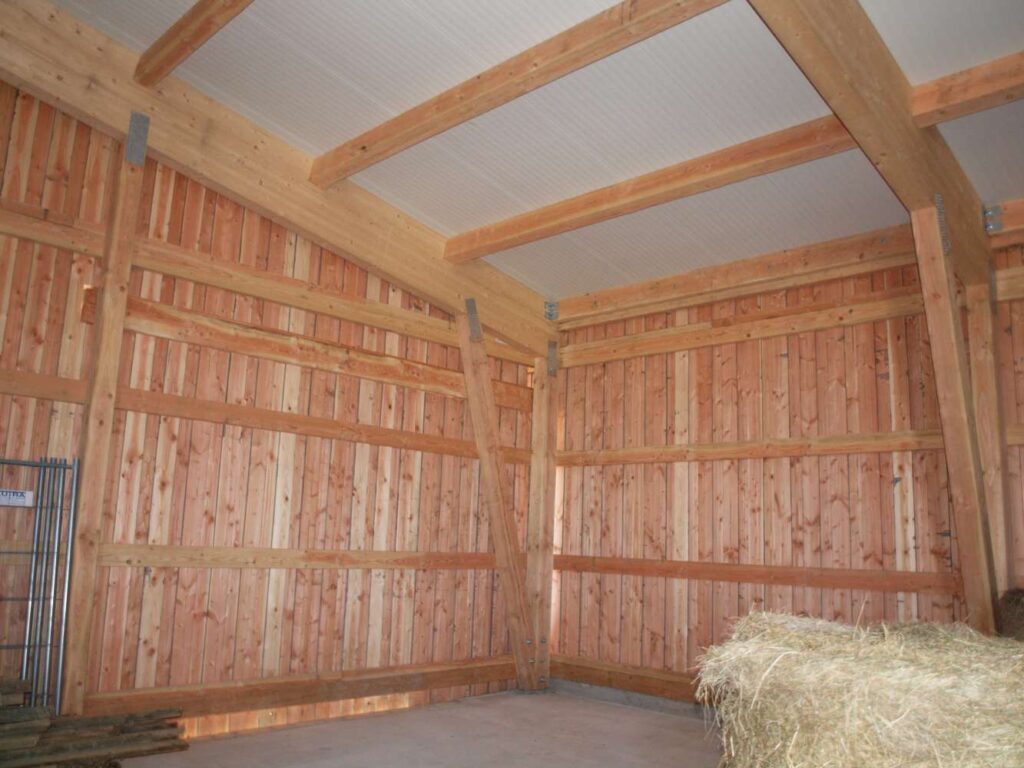
Water must be able to flow through. The wood must be ventilated. We need sensible details on the sills, windows and roof edges.
If that is true, a wooden facade can sometimes get wet. It just needs to be able to dry again afterwards.
That is exactly what constructive wood protection is.
Wood facade does not mean a country house
A wooden facade can look very traditional, but it can also fit well with modern architecture.
Vertical, horizontal, open, closed, natural or coated – there are many options.
Especially in renovation projects, a new wooden facade can completely transform a building.
For me, it’s important that the whole thing ends up being calm and that the details aren’t unnecessarily complicated.
Wood can age. Wood can change. When it is properly constructed, that is exactly what it is meant to do.