


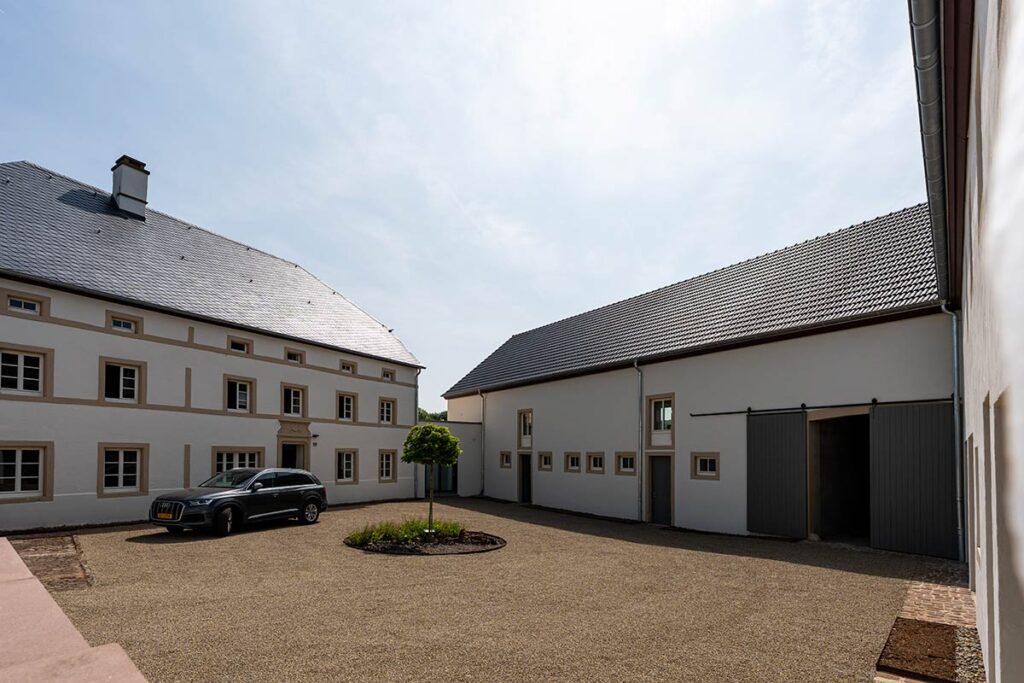
Not every older building needs to be torn down and rebuilt.
Often the existing substance is good and it is worth developing the house further.
In doing so, we first try to figure out what is really necessary.
First, let's see what's there.
With older buildings, we don’t always know immediately what awaits us.
Plans do not always match reality, and you only see some things when a component is opened.
Therefore, for me, when carrying out renovation work, it is always necessary to first understand the building.
What is the load-bearing structure made of? Are there any damages? How is the roof constructed? Where are heat losses occurring? And which existing components can we reasonably maintain?
Not everything old is bad and not everything has to be discarded automatically.
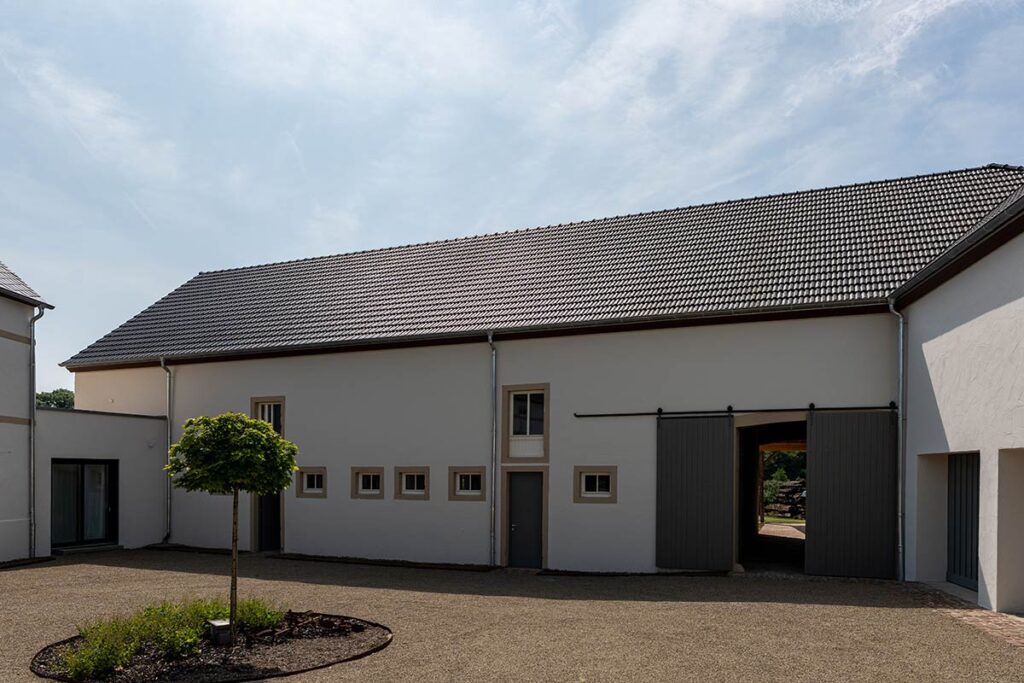
Energy renovation works only as a whole
In an energy-efficient renovation, simply installing as much insulation as possible is not enough.
Windows, the roof, the walls, airtightness and home technology all influence each other.
Especially for such projects, we like to work with wood fiber insulation materials, cellulose, or even mineral wool – depending on what suits the construction.
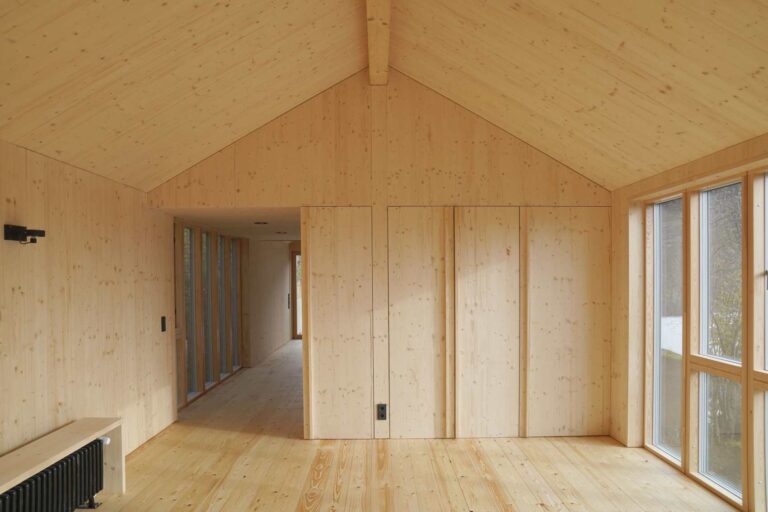
Wood is also very suitable for leveling uneven stock facades or for building additional dam levels.
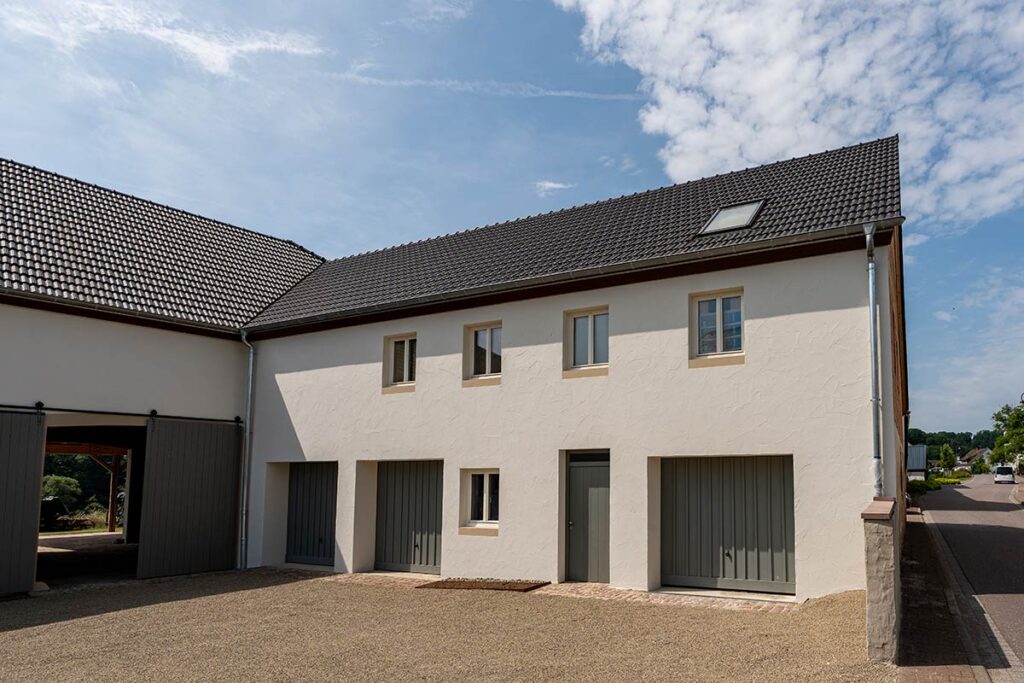
Getting what is good
That is actually our basic idea when it comes to renovation:
Getting what is good. Improving what is necessary. And building anew where it truly makes sense.
Sometimes this also includes a new addition, an expansion, or a completely new facade.
Then a renovation quickly becomes an evolution of the entire house.
And sometimes you can hardly tell at the end that it’s actually a much older building underneath.